
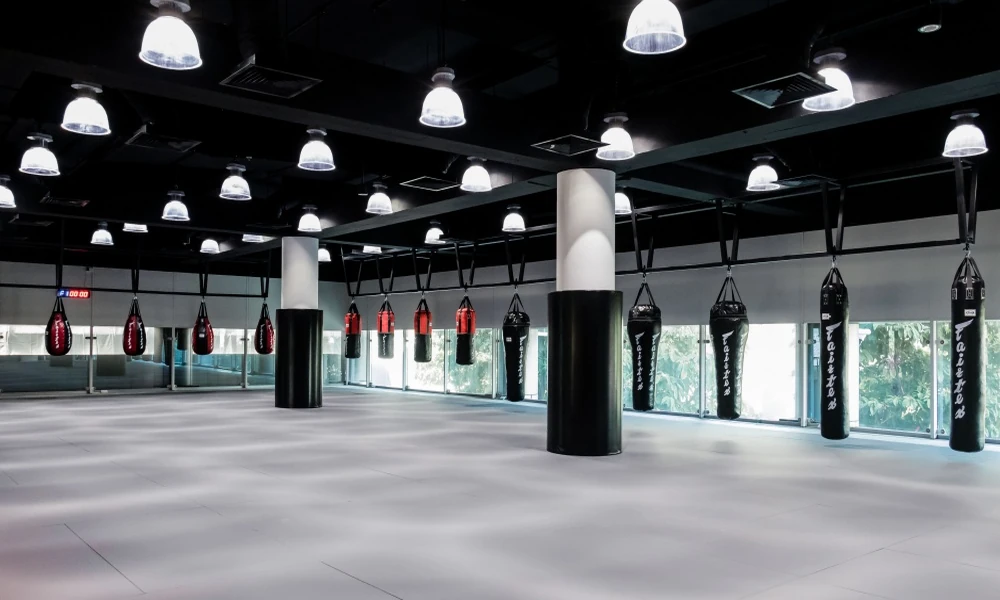
Every pattaya muay thai gym website has the same handful of photos. A ring shot at golden hour. A trainer holding pads for someone mid-kick. A row of heavy bags lit dramatically from the side.
None of that tells anyone whether the training happening there is actually good, or whether the facility supports serious, sustained progress rather than just looking impressive in a carousel of images.
Trainer Credentials Deserve More Scrutiny Than a Bio Paragraph
A short bio claiming “years of experience” says almost nothing concrete. What matters more is whether trainers have real competitive backgrounds, recognised coaching lineage, or documented achievement within the sport itself.
A pattaya muay thai gym worth training at should be able to point to something specific and verifiable, not just a general claim of expertise repeated across every trainer’s profile.
Recovery Infrastructure Signals More Than Ring Space Does
A gym with an impressive ring and a wall of bags but nowhere to properly recover between sessions is optimised for photos, not for training outcomes. Facilities that pair training space with genuine recovery infrastructure, things like a pool, sauna, or dedicated ice bath area, are signalling something important. Hard training only produces results when recovery keeps pace with it, and a gym that’s invested in both is generally taking long-term development more seriously than one that’s only invested in the parts that photograph well.
A Practical Facility Checklist
- Ask whether trainers have documented competitive or coaching credentials, not just years of general experience
- Check whether recovery amenities exist on site, rather than being left entirely to the visitor to arrange elsewhere
- Ask how classes are structured across different skill levels, and whether beginners and advanced practitioners genuinely train differently
- Check whether open gym time is available outside scheduled classes for independent practice
- Ask about typical class sizes, since heavily oversized classes limit how much individual correction any one person actually receives
- Check whether the facility supports cross-training options like strength and conditioning, not just striking practice alone
Class Structure Reveals More Than a Schedule Does
A packed weekly schedule looks impressive on paper but says nothing about whether those classes are actually differentiated by skill level.
A gym that runs identical sessions regardless of who walks in risks under-serving both ends of the spectrum, boring more advanced practitioners while overwhelming genuine beginners.
Asking directly how a facility separates or adapts for different levels within its schedule reveals far more than the schedule’s density alone. A facility without this Gym option can limit practice to whatever fits inside the class schedule alone.
Should beginners avoid gyms known for training competitive fighters?
Not automatically. Many facilities structure separate tracks or class levels specifically so beginners and competitive athletes can train in the same space without one group holding back the other.
The photos on a gym’s homepage are marketing. The trainer credentials, class structure, and recovery infrastructure underneath them are what actually determine whether a stay there produces real progress.