
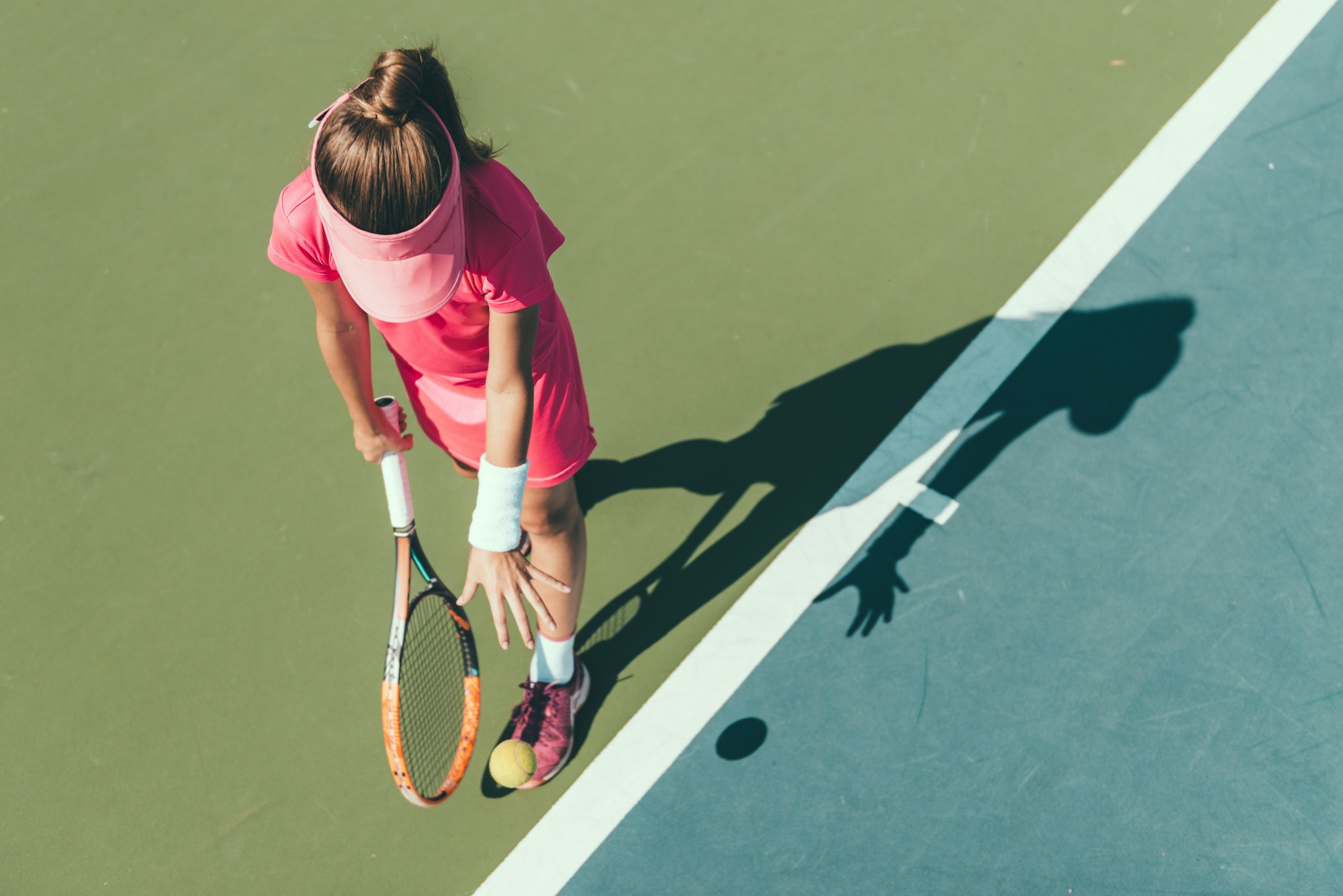
Tennis blends physical agility with mental strategy. While powerful shots are impressive, they rely on fundamental techniques. Mastering these basics is crucial for any player looking to improve, as it helps them handle pressure, adapt to opponents, and prevent injuries. Regardless of experience level, every player benefits from a focus on key techniques. These five essential tips outline the building blocks of strong tennis fundamentals.
Master the Correct Grip
The grip forms the foundation of every shot. An improper grip can restrict the ability to generate spin and power, and may even increase the risk of wrist injuries. The Continental grip is essential for serves and volleys, providing the flexibility for precise, controlled contact. For groundstrokes, learning the Eastern or Semi-Western grip supports the topspin needed to hit with pace while keeping the ball in play. Knowing when and how to use each grip is fundamental to a player’s technical development.
Prioritize Efficient Footwork
Footwork is often the difference between success and failure on the court. Tennis is truly played with the feet, as quick movement allows a player to reach the ball in time and strike from a balanced position. Staying light on the toes and maintaining constant positional adjustments are hallmarks of sound movement. The split step-a timely hop executed as the opponent strikes the ball-prepares the body for rapid motion in any direction. With efficient movement, a player sets up each shot with balance and readiness.
Maintain Head Stability and Visual Focus
Many errors stem from shifting focus away from the point of contact too early. Looking up before finishing a stroke can lift the head, disrupt balance, and lead to mishits. Maintaining head stability and keeping the eyes on the ball until after contact anchors the body’s center of gravity. Roger Federer is renowned for this skill. Slow-motion analysis of his game often shows his eyes locked on the contact point well after the ball leaves his racquet, a habit that underpins his remarkable consistency and control.
Develop a Consistent Toss for the Serve
The serve is an opportunity to set the tone for each point and relies almost entirely on a reliable toss. Variations in the height or direction of the toss force a player to adjust their swing mid-motion, introducing errors. A well-practiced toss should place the ball at full arm extension, just ahead of the body. Regularly drilling the toss-without striking the ball-helps develop the muscle memory required for a dependable serve.
Focus on a Full Follow-Through
The conclusion of a stroke is as important as its preparation. The follow-through directs shot depth, spin, and placement. Abruptly ending a swing can sap power and drive the ball into the net. A complete follow-through, typically finishing over the opposite shoulder on a forehand, keeps the racquet head accelerating through contact, ensuring control and consistency.
Success in tennis is built upon careful attention to fundamental skills-grips, footwork, head stability, toss, and follow-through. These are the skills that provide a lasting edge on the court. Adam McManus Etobicoke, a Canadian university student with a passion for mathematics and physics, exemplifies the discipline and focus required to hone these basics. Adam McManus Toronto enjoys teaching and helping others improve their skills and techniques on the court.