
Staying active is one of the best things you can do for your body and mind. Whether you’re running, playing basketball, or hitting the gym, movement keeps you strong, sharp, and energized. But with every stride, swing, or jump comes the possibility of injury.
Sports injuries aren’t just for professional athletes — they can happen to anyone who enjoys being active. From mild sprains to serious fractures, injuries can disrupt your routine and slow your progress.
That’s where sports medicine comes in. This branch of healthcare focuses on preventing, diagnosing, and treating injuries related to physical activity. In this guide, we’ll explore the most common types of sports injuries, what causes them, how to treat them, and the best ways to recover safely.
Common Types of Sports Injuries
Sports injuries generally fall into two main categories:
- Soft tissue injuries: Affect muscles, ligaments, and tendons (e.g., sprains, strains, and overuse injuries).
- Acute injuries: Happen suddenly, such as fractures or dislocations, often caused by a fall, collision, or twist.
Knowing which type of injury you’re dealing with helps guide treatment and prevents long-term complications.
Sprains and Strains
- Sprains occur when ligaments — the bands connecting bones — are stretched or torn. A common example is an ankle sprain after landing awkwardly.
- Strains affect muscles or tendons and are usually caused by overstretching or overuse. Common sites include the hamstrings, lower back, and shoulders.
Symptoms may include:
- Pain and swelling
- Bruising
- Limited range of motion
Treatment: Most sprains and strains improve with the PRICE method:
Protection, Rest, Ice, Compression, and Elevation.
Fractures and Dislocations
- Fractures are cracks or breaks in the bone, often from impact or falls.
- Dislocations happen when a bone slips out of its joint — commonly in the shoulder, knee, or fingers.
Symptoms include:
- Intense pain and swelling
- Visible deformity
- Inability to move the joint
Treatment: Seek immediate medical attention. Diagnosis may require X-rays or MRI scans. Depending on severity, treatment could involve a cast, brace, or even surgery.
Common Causes and Risk Factors
Understanding what leads to sports injuries can help you prevent them.
- Overuse and Repetitive Motion
Repeating the same movement over time can strain muscles and tendons. Common overuse injuries include:
- Tennis elbow
- Runner’s knee
- Achilles tendinitis
Tip: Rest days and stretching are crucial to allow your body time to recover.
- Poor Technique or Equipment
Bad form or faulty gear increases stress on your joints and muscles.
- Use sport-specific shoes and protective equipment.
- Practice proper technique.
- Regularly check that your equipment fits and functions properly.
Even something as simple as wearing worn-out shoes can lead to serious issues over time.
Recognizing the Signs of a Sports Injury
Early detection means faster recovery. Watch out for:
- Persistent or sharp pain in a muscle or joint
- Swelling or bruising
- Limited mobility or weakness
If these symptoms don’t improve after a few days of rest and care, it’s time to consult a healthcare provider.
Treatment Options for Sports Injuries
Recovery takes time, but following the right steps can make all the difference.
- Immediate First Aid: The PRICE Method
Act quickly after an injury:
- Protection: Use braces or splints to avoid further harm.
- Rest: Avoid activity until cleared by a professional.
- Ice: Apply for 15–20 minutes every few hours.
- Compression: Use elastic bandages to reduce swelling.
- Elevation: Keep the injured area above heart level.
Over-the-counter pain relievers can also help with discomfort and inflammation.
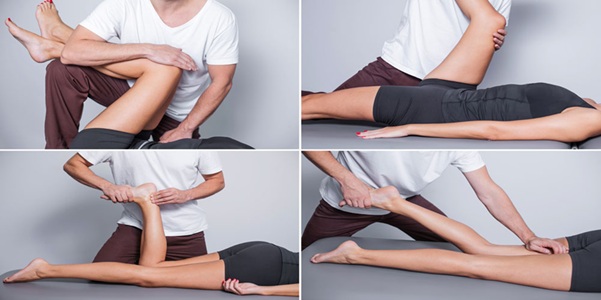
- Rehabilitation and Physiotherapy
Once pain and swelling subside, rehabilitation begins. A physiotherapist can guide you through:
- Range-of-motion and flexibility exercises
- Strength and balance training
- Massage and manual therapy
A structured rehab plan helps restore movement, rebuild strength, and prevent re-injury.
How to Prevent Future Sports Injuries
While you can’t avoid every mishap, smart habits can dramatically lower your risk:
- Warm up before and cool down after activity.
- Stretch regularly to stay flexible.
- Use proper form in all movements.
- Wear the right shoes and protective gear.
- Listen to your body — never push through sharp pain.
Consistency with these small steps keeps your body resilient and ready for action.
Frequently Asked Questions
What should I do immediately after a sports injury?
Start with the PRICE method: protect, rest, ice, compress, and elevate.
When should I see a doctor?
If you can’t bear weight, have significant swelling, or suspect a fracture or dislocation, seek medical care right away.
How long does recovery take?
It depends on the injury. Mild strains might heal in a couple of weeks; fractures may take months. Always follow your treatment plan and avoid rushing back too soon.
Can I return to sports after an injury?
Yes — but only after clearance from your doctor or physiotherapist. Gradually rebuild your strength and endurance.
How can I prevent injuries from happening again?
Warm up, stretch, use proper form, rest regularly, and train smart.
Key Takeaways
- Sports injuries are common but treatable.
- Overuse, poor technique, and bad equipment are major causes.
- Early treatment prevents long-term complications.
- The PRICE method is an effective first response.
- Rehabilitation is essential for full recovery.
- Prevention starts with good habits and mindful training.
Final Thoughts
Injuries may be part of the game, but they don’t have to take you out of it. With the right knowledge, care, and recovery plan, you can heal effectively and return stronger than before.
If you’re dealing with a sports injury or want personalized advice to stay injury-free, consider booking a consultation with a sports medicine specialist. Your body, and your performance, will thank you.