
From Rec Leagues to Regional Draw
Dearborn’s relationship with organized sport and fitness has shifted considerably over the past two decades. What used to be a handful of neighborhood leagues playing on worn-down fields has grown into a city that regularly hosts regional tournaments, school championships, and community races that pull participants from across Wayne County and beyond. The infrastructure built to support that growth didn’t happen overnight. Local parks departments invested in better fields, schools upgraded their gymnasiums, and private businesses started filling in the gaps that public recreation couldn’t cover.
That last piece matters more than people tend to assume. As youth sports programs multiplied and adult recreational leagues found new life, the demand for places to train outside of practice hours grew right along with them. Parents wanted options for their kids during off-seasons. Weekend athletes wanted somewhere to maintain conditioning between league play. The city’s fitness landscape responded, slowly at first, then more noticeably as new facilities opened their doors to meet a population that was training harder and more consistently than it had in previous generations.
This growth also changed how families think about athletic development. A decade ago, conditioning was treated as something that happened only during a season, tied directly to whatever sport a child or adult happened to be playing at the time. Now there’s a broader understanding that physical preparation is a year-round commitment, one that benefits from dedicated space separate from the field or court. That mindset shift is part of what pushed local demand for standalone training facilities rather than relying solely on school gyms or seasonal rec centers.
What Local Athletes Actually Need Between Competitions
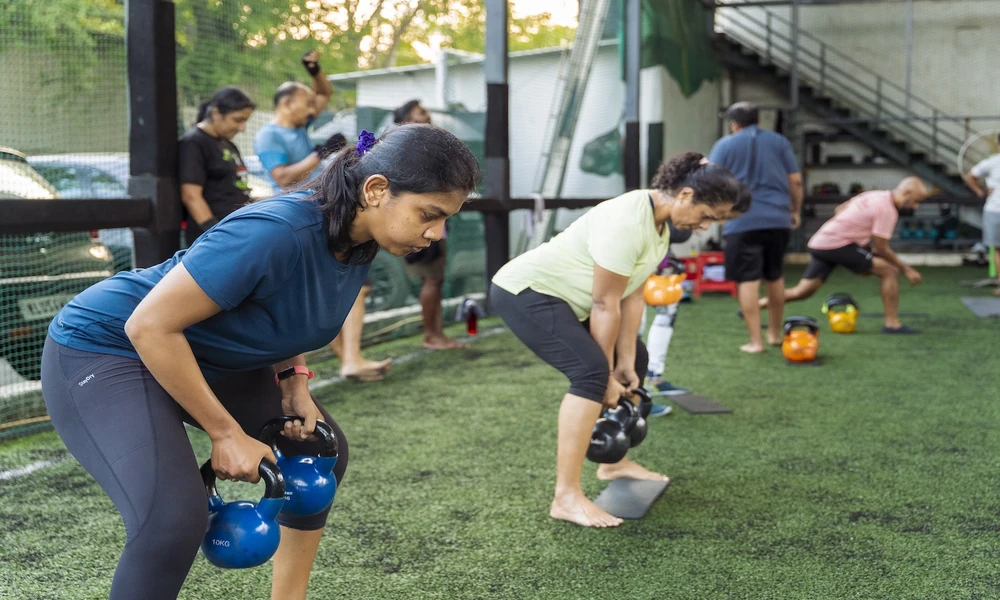
Ask anyone who coaches a travel team or manages a recreational league what their athletes struggle with most, and the answer rarely involves raw talent. It’s consistency in the off-season, access to strength equipment, and a place that doesn’t feel intimidating to walk into after a long day. A gym in Dearborn, Michigan has become a common answer for families and adult athletes looking to fill that gap, offering structured equipment and group classes that complement whatever sport someone is already playing. The appeal isn’t flashy; it’s practical, which is exactly what most people training around a busy schedule are looking for.
Coaches who’ve worked with local teams for years tend to notice the same pattern. Athletes who supplement their sport-specific practice with regular strength work recover faster and show fewer repetitive stress injuries over a season. This isn’t a controversial claim among trainers, but it does require access to the right kind of facility, one with enough equipment variety to avoid bottlenecks during peak hours. Dearborn’s growth as an athletic hub has made that kind of access less of a luxury and more of an expectation among people serious about staying competitive.
There’s also a social component that gets overlooked. Training alongside other athletes, even informally, tends to keep people more accountable than working out alone at home ever could. Teenagers see older athletes putting in the same kind of work they’re being asked to do, and adults picking the habit back up often find encouragement just from being around people with similar goals. That atmosphere doesn’t happen by accident; it develops over years as a facility becomes part of the regular rhythm of a community’s athletic life.
Building a Weekly Routine Around Local Resources
Translating that demand into an actual weekly habit is where most people stumble. It’s easy to sign up for a membership and harder to build a routine that survives contact with a real schedule full of practices, games, and family obligations. The athletes who stick with it tend to treat their gym time the same way they treat a practice slot: scheduled, non-negotiable, and built around specific goals rather than vague intentions to get stronger or stay in shape.
For adults returning to fitness after years away from organized sport, the entry point usually looks different. Group classes offer structure without requiring someone to design their own program, which removes a barrier that keeps a lot of people from starting at all. Younger athletes, by contrast, often benefit more from open gym access paired with a coach or trainer who can correct form on compound lifts before bad habits set in. Both groups are served by facilities that offer enough flexibility to accommodate different goals under one roof.
None of this requires elaborate planning. A simple pattern of two or three strength sessions a week, timed around practice schedules rather than competing with them, tends to produce the kind of steady improvement that shows up in game performance rather than just on a scale or a fitness app. The city’s athletic culture has matured to the point where that kind of training is treated as standard preparation rather than an extra step reserved for serious competitors. Parents who once drove kids to a single sport practice now build entire weekends around multiple training stops, treating strength sessions with the same seriousness as a tournament game. That shift in expectation, more than any single facility or program, has quietly reshaped how people across Dearborn approach staying in shape throughout the year.